The Shipyard
Chapter Two
What does shipbuilding have to do with medicine?
Introduction
Sometimes the greatest breakthroughs happen when two completely different worlds collide.
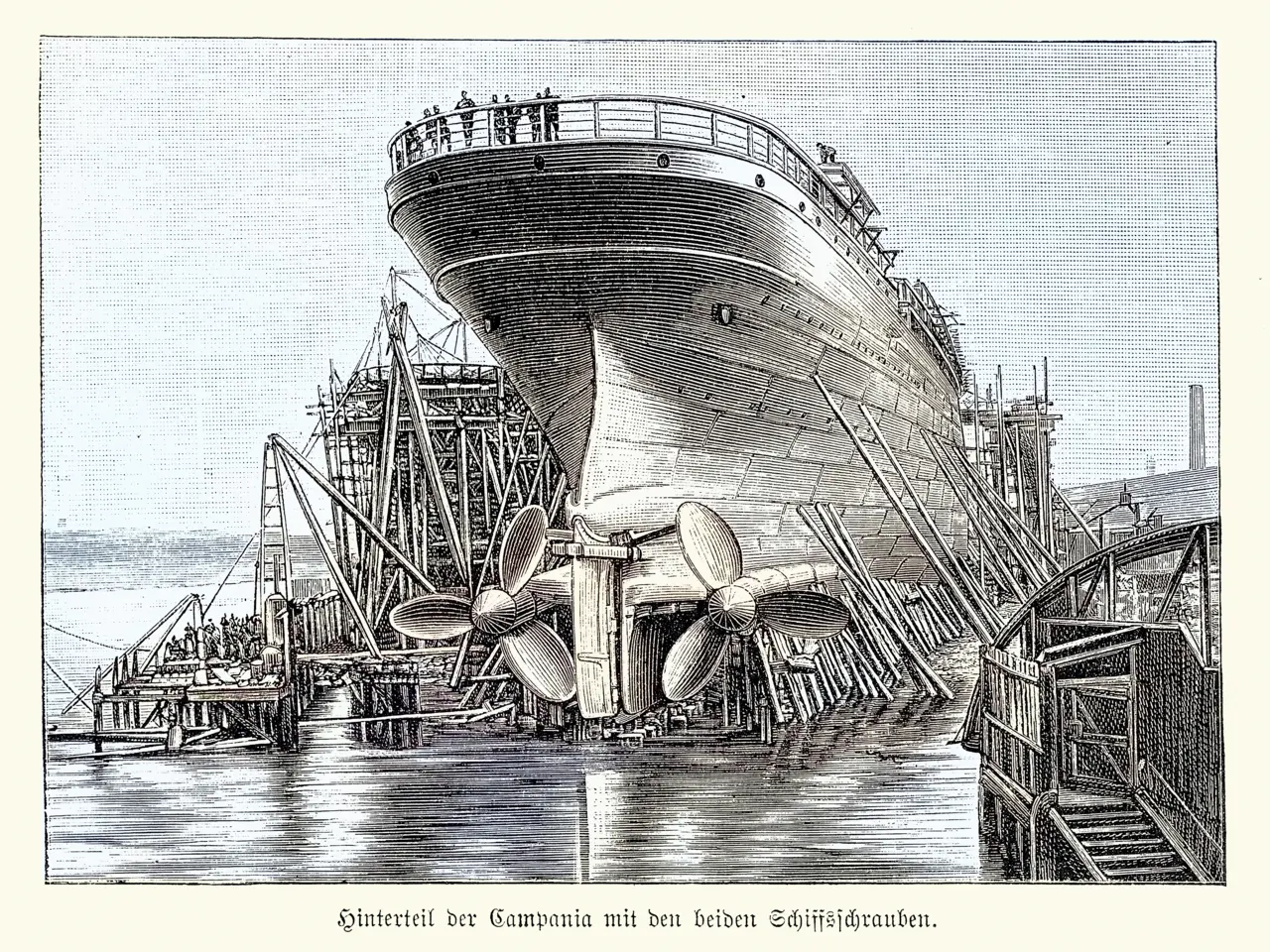
During the 1950s, Govan was one of the world's great centres of shipbuilding. Thousands of skilled engineers, welders and craftsmen worked along the banks of the River Clyde, building vessels that would travel to every corner of the globe.
Just a few miles away, Glasgow's hospitals faced a very different challenge.
Doctors wanted to understand what was happening inside the human body without causing harm.
No one imagined that the solution to this medical problem already existed inside a busy shipyard.
Film 2: The Shipyard
This film explores Govan's shipbuilding heritage and introduces engineer Tom Brown, whose expertise in ultrasonic flaw detection would become the foundation for one of the most important medical innovations of the twentieth century. Through archive footage, photographs and expert commentary, discover how industrial engineering and medicine came together to change healthcare forever.
Where Industry Met Innovation
Every ship built on the Clyde depended upon absolute confidence in its construction.
A crack hidden inside a steel hull could have devastating consequences at sea. Engineers therefore relied on ultrasonic flaw detectors to inspect the metal before ships ever left the yard.One of the people using this technology was Tom Brown, an engineer working at Babcock & Wilcox in Govan.
Brown had spent years interpreting echoes from inside steel.
He understood that sound could reveal what human eyes could not.
Around the same time, Professor Ian Donald, an obstetrician at the Western Infirmary in Glasgow, was searching for a safer way to examine his patients.
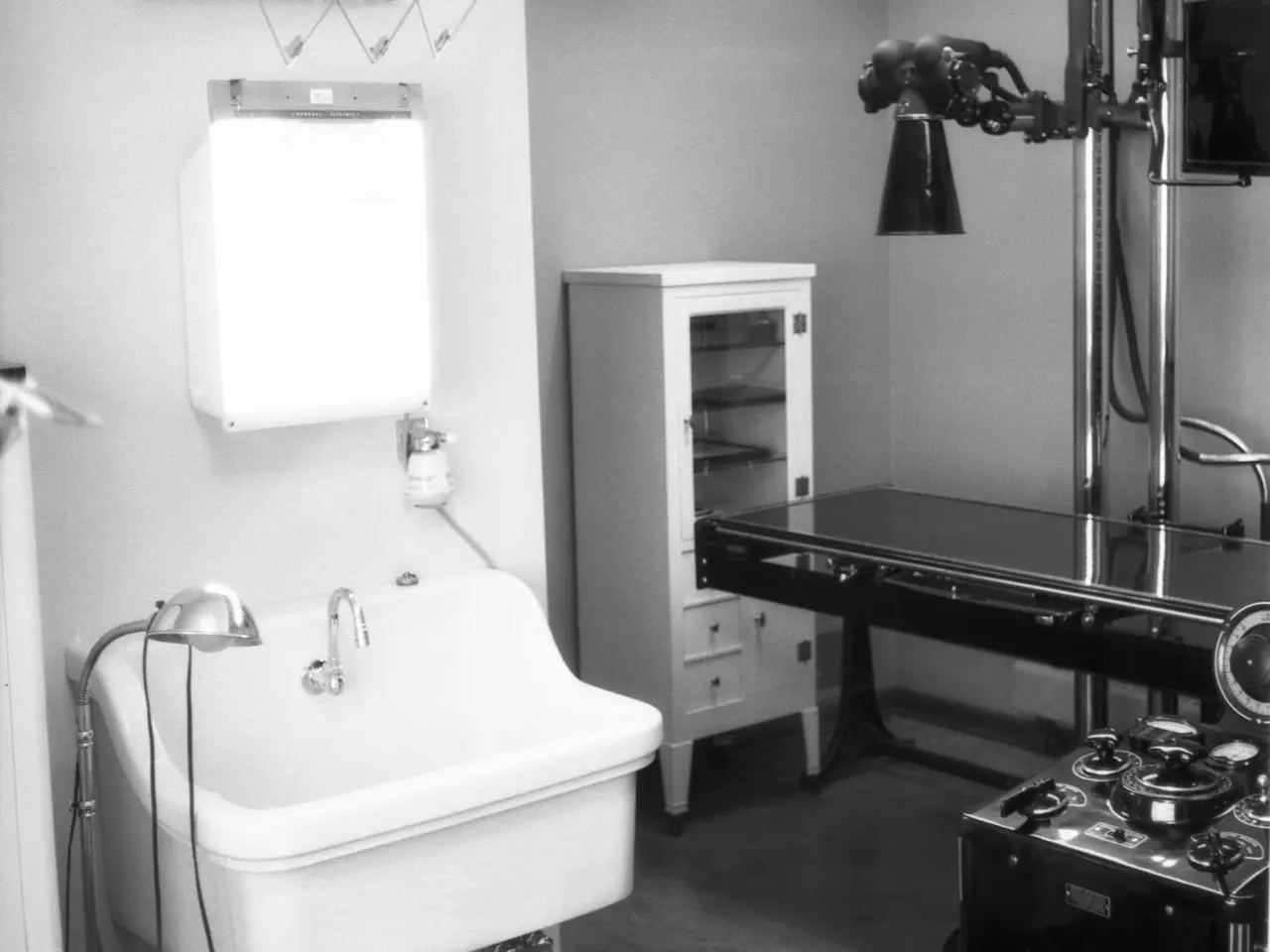
X-rays could provide some information, but they were not ideal for pregnancy. Donald believed there had to be another way.
When the two men met, they recognised something remarkable.
The same echoes that revealed hidden cracks inside steel might also reveal the hidden structures of the human body.
It was a bold idea.
No one had ever attempted it before.
From Shipyard to Hospital
Determined to test their theory, Donald and Brown borrowed a flaw detector from Babcock & Wilcox and transported it from the shipyard into the hospital.
The machine weighed almost 90 kilograms.
It had never been designed for medicine.
Its purpose was to inspect enormous steel plates used in shipbuilding.
Yet inside that industrial machine was a scientific principle that could transform healthcare.
The first experiments were anything but glamorous.
Donald and Brown scanned beef joints, tumours and other biological specimens, trying to understand how different tissues reflected ultrasonic sound.
Slowly, patterns began to emerge.
Instead of echoes revealing flaws in steel, they began revealing the structures hidden within living tissue.
For the first time, it seemed possible to look safely inside the human body using sound alone.
A New Kind of Collaboration
The invention of ultrasound was not simply a medical breakthrough.
It was a collaboration.
Donald brought clinical knowledge and a determination to improve patient care.
Brown contributed engineering expertise and a deep understanding of ultrasonic testing.
Together, they demonstrated that innovation often happens when ideas move between disciplines.
A technology designed to keep ships safe at sea became the foundation of a new way to care for people.
Today, collaboration between engineers, designers, clinicians and scientists remains at the heart of medical innovation.
Build a Prototype Ultrasound Machine
Learning Goal
Discover how Professor Ian Donald and engineer Tom Brown adapted industrial ultrasonic testing technology into the world's first medical ultrasound scanner.
Before You Begin
The flaw detector you explored in the previous chapter could identify hidden cracks inside steel.
Donald and Brown believed it could do something even more remarkable.
Working together, they adapted industrial technology for an entirely new purpose, creating a machine capable of producing the world's first ultrasound images.
Your challenge is to follow in their footsteps.
Assemble the key components of the prototype scanner and discover how engineering ingenuity transformed a shipyard machine into one of the most important medical inventions in history.
What Have You Built?
The machine you've assembled marked the beginning of a revolution in healthcare.
Although it was large, experimental and produced only simple images, it proved something extraordinary.
High-frequency sound waves could travel safely through the human body, reflect from different tissues and return enough information to create an image.
It was no longer just a theory.
It worked.
The next challenge was to use this remarkable invention with patients.
What happened next would become one of the defining moments in the history of modern medicine.
Did You Know?
The original prototype was adapted from industrial equipment used to inspect steel ships.
Today, ultrasound scanners can fit into a coat pocket while using exactly the same scientific principle: sending sound waves into the body and interpreting the echoes that return.
Reflect
Innovation rarely happens in isolation.
Professor Ian Donald and Tom Brown approached the same problem from different perspectives, combining medicine and engineering to create something neither discipline could have achieved alone.
What skills or ideas from one profession could help solve challenges in another?
Continue Your Journey
The prototype worked.
Now it was time to discover whether it could change the lives of patients.
Travel to Glasgow in 1958, where doctors and parents witnessed something no one had ever seen before.
For the first time in history, a baby could be seen before birth.
Continue to Chapter Three